
Forensic insights from survivor‑led risk detection
ETHOS FIDELIS does not disclose client identities or confidential project details.
The case studies below illustrate the types of systemic risks we analyse and the forensic frameworks we deploy. They represent patterns observed across multiple real‑world contexts, not single organisations.
Impact Frameworks & Case Studies
CASE STUDY 1 : BioFidelity Failure Points in Maxillofacial Prosthetics
Forensic Device & Protocol Risk Analysis
The Challenge
Standard safety protocols for maxillofacial rehabilitation failed to account for the unique pneumatics of Anterior Maxillary Defects. A routine workflow, such as using a Low Volume Suction (LVE) tube, created an unrecognised asphyxiation risk.
The Forensic Insight
Through a BioFidelity Simulation, we analysed:
asymmetric bite‑force distribution
the Cantilever Effect on the prosthesis
pneumatic flow disruption during impression taking
This revealed a previously undocumented Pneumatic Short‑Circuit risk.
The Impact
Identified a fatal flaw in standard suction protocols
Designed the 5‑Hand Procedure to eliminate suffocation risk
Mapped biomechanical stress points responsible for device rejection and pain

Forensic Advocacy & Systemic Risk Correction
The Challenge
Noma, a neglected disease with massive mortality and an estimated USD 3.5B economic burden, remained invisible to global health governance structures.
The Forensic Insight
Traditional awareness campaigns were structurally incapable of shifting global governance.
A survivor‑led, multi‑year forensic advocacy strategy was required, targeting:
WHO governance pathways
academic legitimacy structures
coalition‑building with institutions such as Swiss TPH and MSF
The Impact
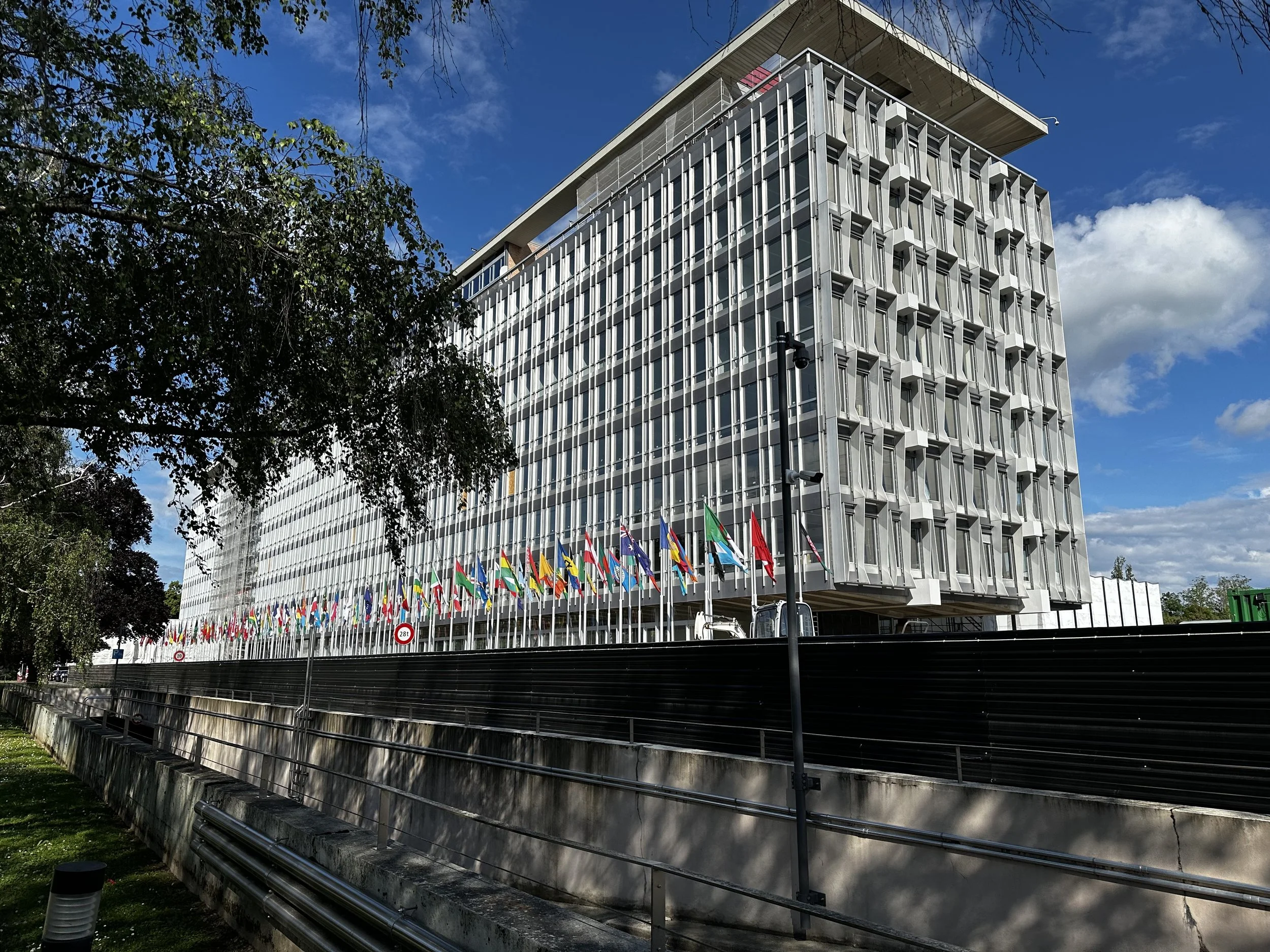
Achieved WHO recognition of Noma as an official Neglected Tropical Disease
Secured multi‑six‑figure funding for academic and policy partners
Established a governance framework for long‑term systemic correction
CASE STUDY 2 : Global Health Governance:
The Noma (NTD) Case
Forensic Oversight of Ethical & Operational Risk
The Challenge
A “patient‑led” advisory board was structurally unsound.
It produced:
performative participation
survivor burnout
reputational and compliance risk
The system lacked the safeguards required for ethical survivor involvement.
The Forensic Insight
The board had been built without:
legal integrity
ethical protections
operational boundaries
It functioned as a marketing asset rather than a governance mechanism creating systemic risk for both the organisation and the survivors involved.
The Impact
Implemented the Ethical Fortress Framework (proprietary MSA)
Introduced enforceable integrity protections for survivor‑strategists
Established contractual safeguards against performative engagement
Rebuilt the advisory board as a compliant, risk‑controlled governance unit